Home Quality Quality Control

Quality Control

Quality is a process, not a certificate

A certificate tells you a system was audited on one day. This page tells you what actually happens to your product between the raw material gate and the container — including what we do when a batch fails.

The Control Points

Four gates, every batch

Each gate has the authority to stop the batch. A gate that can only observe isn't a control point — it's paperwork.

Gate 01
Incoming materials

Before anything enters production

Raw material is the largest single source of variation in a meat product, and it arrives from outside our control. So it gets inspected before it's accepted, not after it's already been used.

  • Supplier approval and documented specification per material
  • Inspection against specification on receipt
  • Temperature, appearance, odour and hygiene check
  • Rejection and return of non-conforming material
  • Batch coding and traceable storage
  • Allergen and species separation during storage
Gate 02
In-process · 3 checkpoints per batch

Three checkpoints during the run

A problem caught mid-run costs part of a batch. The same problem caught at the container door costs the whole batch plus your launch date. That asymmetry is the entire argument for in-process control.

  • Checkpoint 1 — process parameters at start-up
  • Checkpoint 2 — mid-run verification of critical parameters
  • Checkpoint 3 — verification before the batch leaves the line
  • Moisture / water activity against specification
  • Piece size and grading tolerance
  • Photo and video record taken during the run
  • Deviation from parameter → line stopped, not noted
Gate 03
Finished goods

Testing the product, not the intention

Specification documents describe what should have happened. This gate establishes what actually did, on the finished goods themselves.

  • Microbiological testing to agreed parameters
  • Heavy metals and contaminant screening where specified
  • Nutritional analysis for panel substantiation
  • Sensory check against the approved reference sample
  • Packaging seal integrity and leak check
  • Net weight verification and count accuracy
Gate 04
Pre-shipment

Before the container is sealed

The last point at which a problem can still be fixed cheaply. Once the container leaves, every remaining option becomes slow and expensive.

  • Finished pack inspection against your approved artwork
  • Labelling accuracy — claims, language, required information
  • Carton marking, quantity and pallet build
  • Batch code and date code legibility
  • Container condition and loading check
  • Document set compiled before release

On the floor

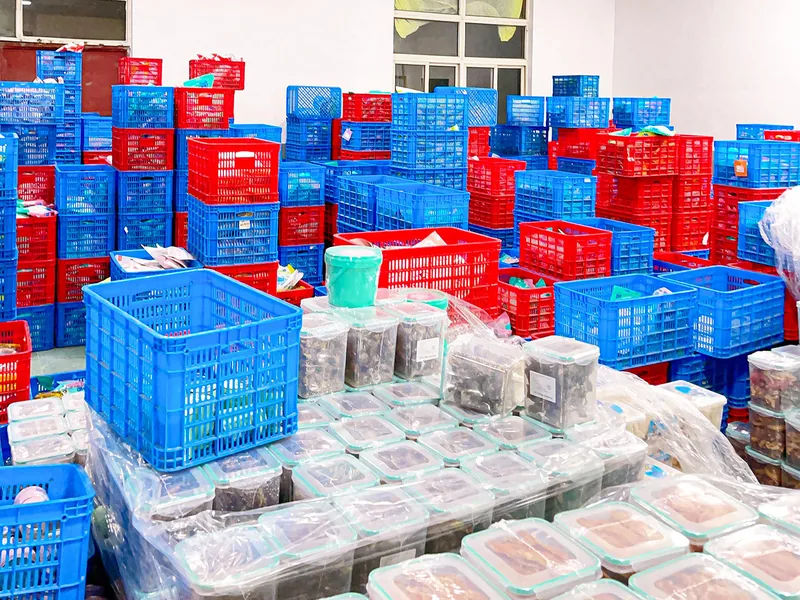
Incoming raw material inspection bench
Incoming inspection. Raw material checked against specification on receipt — before it enters production, not after.
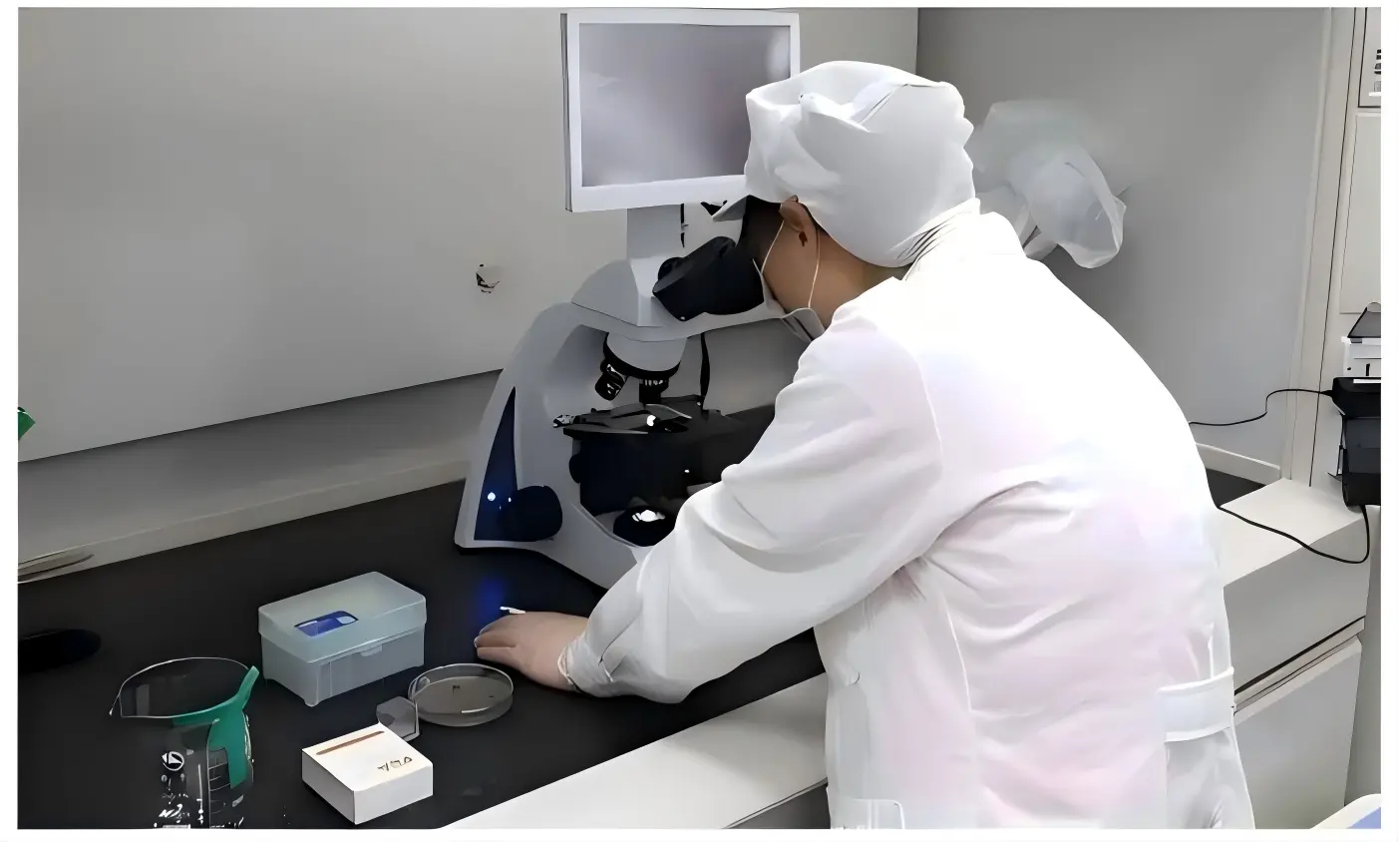
Laboratory technician testing finished goods under a microscope
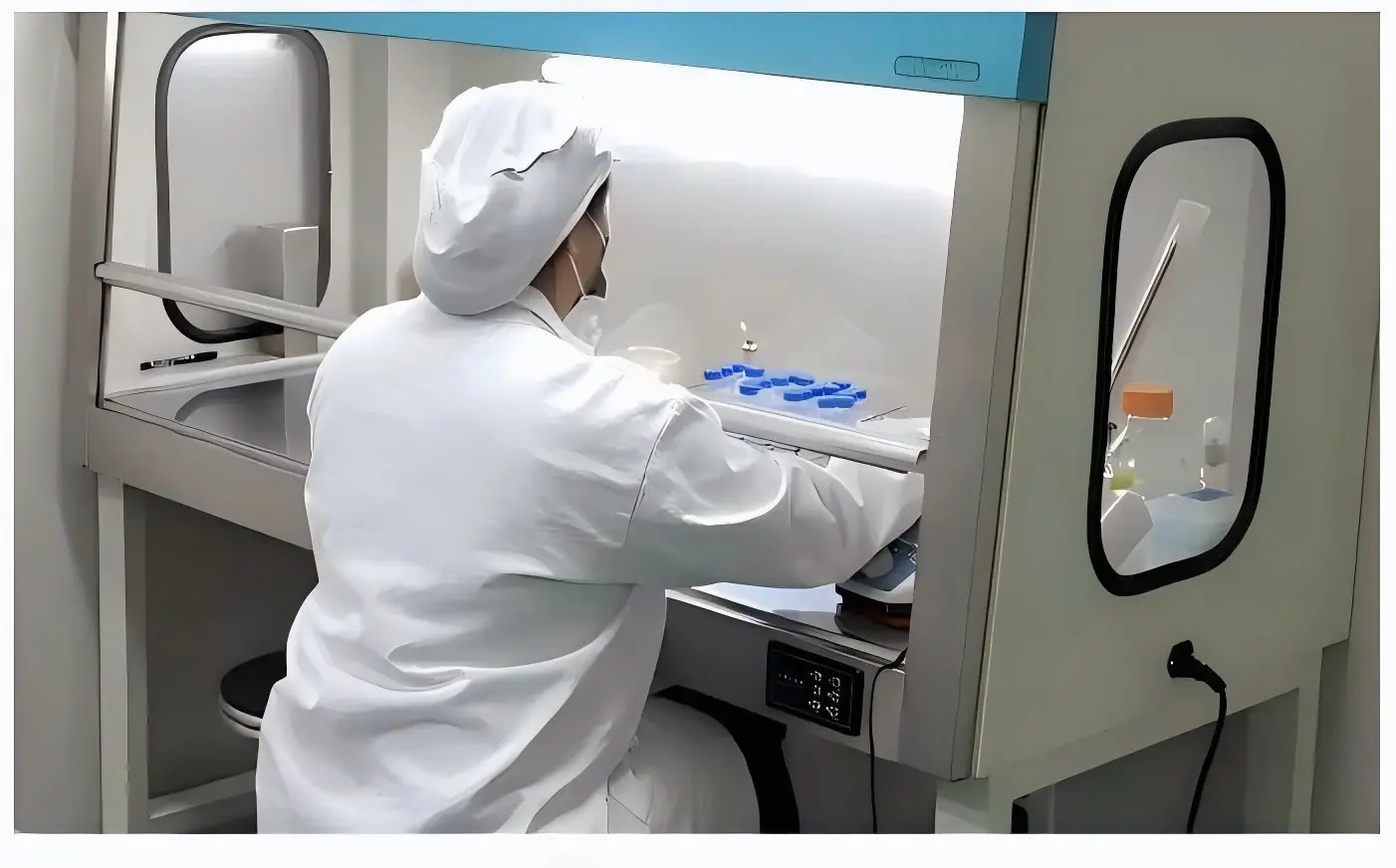
Laboratory testing. Finished-goods testing against the panel agreed for the order.
Batch process record sheet with parameters and checkpoint results
Batch records. Process parameters and checkpoint results, retained beyond the product's shelf life.
What Gets Tested

Test categories

Which of these apply to your order is confirmed in writing before production, rather than assumed after it.

Microbiological Indicator organisms and pathogen testing on finished product. The panel is agreed per project and set to your destination market's expectations.
Heavy metals & contaminants Screened against the limits applicable in your market. Limits differ between jurisdictions, so test method and pass criteria are agreed upfront.
Moisture & water activity Directly determines shelf life and texture. Verified in-process and again on finished goods.
Nutritional composition The analytical basis for the nutrition panel on your packaging.
Sensory Appearance, aroma, texture and colour compared against the approved reference sample held for your product.
Physical & packaging Piece size and grading, seal integrity, leak check, net weight, count accuracy.
Labelling Artwork and printed text checked against your approved version and against the legal requirements you've told us apply.

⚠️ The specific panel, frequency and pass criteria are recorded in the specification sheet attached to your quotation. Nothing on this page should be read as a guarantee that a particular test is performed for a particular order — that is what the specification sheet is for.

Documentation

What you receive with each batch

The point of QC records is that they reach you, tie to your goods, and can be checked later. Records that stay in the factory are of no use to anyone.

Batch record

Process parameters as actually run, with the three in-process checkpoints and their results recorded.

Test reports

Results for the tests specified for your order, identified against the batch code.

Photo & video record

Images taken during the run and before loading, so you can see production without being on site.

Certificate of Analysis

A per-batch COA tying the batch code to its results — traceable back to the goods that arrived at your warehouse.

When Something Fails

What happens when a batch doesn't pass

This is the part most suppliers leave unwritten, which is exactly why it's worth reading. A quality process is only as good as its failure rule.

Our standing rule: a batch that fails a specified criterion is held and not shipped, blended, or downgraded into another customer's order. You are told, with the actual result and the evidence behind it — not a summary.
Step 01

Stop and hold

The batch is quarantined and physically segregated. Nothing proceeds until it is dispositioned in writing — it does not quietly continue down the line while someone decides what to do about it.

Step 02

You're told, with evidence

You receive the failing result, the test report or photographs behind it, and our assessment of the cause. Not a vague apology, and not a delay while we look for a better number.

Step 03

Your options, priced

Depending on the failure: rework and retest, re-test the retained sample, reject and re-produce, or ship with the deviation disclosed and a price adjustment. Each option comes with its own timeline and cost.

Step 04

You decide

We don't disposition a failing batch unilaterally, and we don't ship a deviation you haven't agreed to in writing. The commercial decision about your goods stays yours.

Why we write this down. Every supplier says quality comes first. What distinguishes them is the rule they follow on the day quality fails — whether the batch gets held, or whether it gets shipped to whoever won't check. Ask any supplier this question directly. The ones who answer it in specifics are the ones worth working with.
Traceability

Following a batch backwards

Traceability isn't a system you describe — it's a question you can answer. Ours is this one: given a bag on a shelf in your market, can we identify which production run it came from, and what materials went into it?

01

Batch coding at production

Each run receives an internal batch code, recorded against the material lots consumed and the QC results for that run.

02

Legible on the retail pack

Batch code and date coding are checked at Gate 04 for legibility — a code that can't be read on the shelf breaks the chain at the final step.

03

Records retained, not discarded

Batch and QC records are retained beyond the product's shelf life, so a query arising long after delivery can still be answered.

Honest Limits

What we don't claim

A page like this is easy to fill with absolutes. These are the qualifications that genuinely apply.

01

Testing is sampling-based, not 100% inspection

No food manufacturer inspects every single unit. Testing is statistical and sampling-based. Anyone who tells you they test everything is either confused about their own process or misleading you.

02

We test to the agreed panel — not everything

A passing result means the goods passed the tests that were specified. It is not evidence about anything that wasn't tested. If a parameter matters to your market, it belongs in the specification, not in an assumption.

03

We can't validate a claim your regulator hasn't approved

For statements about health, dental benefit or nutrition on your packaging, the deciding authority is your destination market's regulator. We can give you the analytical data — we can't make the claim lawful for you.

04

Non-conforming results are reported, not rounded off

If a result sits close to a limit or outside it, you see the number. We report results as they are rather than describing an out-of-specification batch as "within normal variation".

Questions

Frequently asked

Can we send our own inspector, or appoint a third party?
Third-party inspection during production or before loading is a normal request and one we'd rather discuss early than on loading day. Tell us the inspection body and the scope you want, and we'll confirm what access and notice is practical for the facility.
Who signs off a batch before it ships?
A batch is released against the specification and the agreed test panel — not against a delivery date. This is why we quote production windows rather than promising fixed ship dates: a date that overrides a QC gate isn't a quality system, it's a schedule with paperwork attached.
How many checkpoints are there per batch?
Three in-process checkpoints, plus incoming material control at Gate 01 and pre-shipment inspection at Gate 04. We photograph production during the run so you have a visual record alongside the measured results.
What if we find a problem after the goods arrive?
Send us the batch code and whatever evidence you have. Because batch and QC records are retained beyond shelf life, we can trace that code back to the run and its results. What happens next depends on the finding and on the agreed terms in your order — but it starts with a traceable answer rather than a shrug.
Do you keep a retention sample for our product?
A reference sample is held from each run, so later comparisons have something objective to compare against. If you're planning a repeat order, that reference is what keeps batch-to-batch consistency honest — see our wholesale supply page for how repeat programmes work.
Related

Where this fits

Get Specific

Ask us a QC question

Generic pages get generic answers. Tell us the stage you need to understand and we'll reply within 24 hours on business days with something concrete.

Please choose an option.
Please enter your company name.
Please enter a valid email.
We reply within 24 hours on business days.